An Eau de Cologne in the Classical Manner
The oldest structure in Western perfumery, in thirteen materials
- Strength
- 5% in perfumer's alcohol
- Level
- Beginner
- Materials
- 13
- IFRA
- Category 4 (fine fragrance)
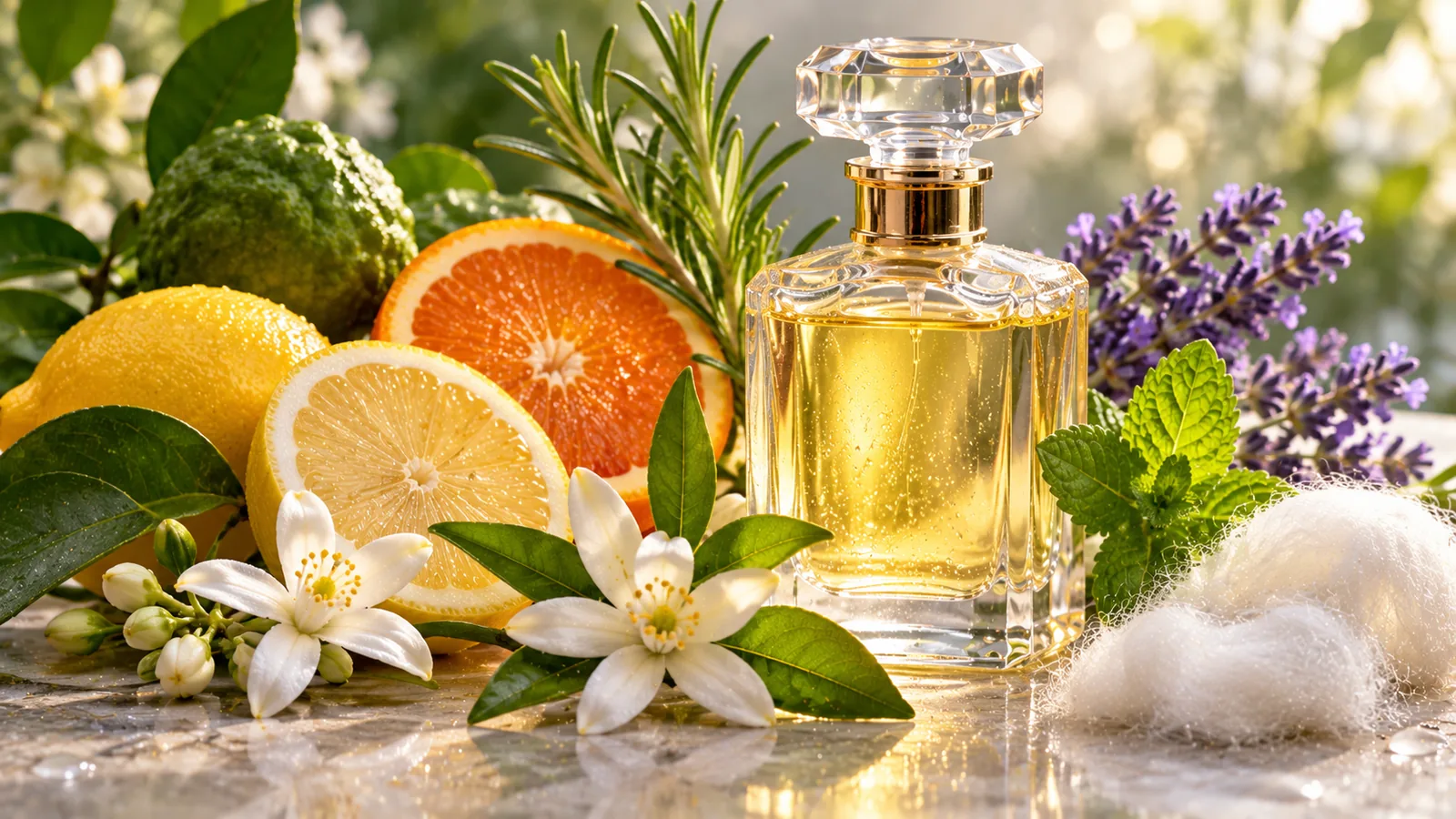
Cologne is the oldest surviving structure in Western perfumery and the easiest to understand: a large citrus top, a thin herbal-floral heart to carry it, and barely any base at all. Nearly everything evaporates within the hour, and that is the point — it was built to be splashed on generously and often.
Build it first if you are new to formulating. The proportions are forgiving, the materials are inexpensive, and the structure teaches you what a top note actually does.
The Formula
| Material | Dilution | Parts | Grams |
|---|---|---|---|
| Top Notes | |||
| Bergamot EO Use an FCF grade for leave-on work. | 100% | 260 | 7.80 |
| Lemon EO | 100% | 150 | 4.50 |
| Sweet Orange EO | 100% | 90 | 2.70 |
| Petitgrain Bigarade EO | 100% | 55 | 1.65 |
| Linalool | 100% | 35 | 1.05 |
| Heart Notes | |||
| VERISCO™ NERAVIA™ Carries the neroli character of the classical original. | 100% | 130 | 3.90 |
| Lavender EO | 100% | 55 | 1.65 |
| Rosemary EO | 100% | 25 | 0.75 |
| Geranium EO | 10% DPG | 20 | 0.6 |
| Base Notes | |||
| VERISCO™ CITRAVANT™ Extends the citrus well past its natural life. | 100% | 90 | 2.70 |
| Iso E Super | 100% | 45 | 1.35 |
| Benzyl Salicylate | 100% | 25 | 0.75 |
| Ambroxan | 10% DPG | 20 | 0.6 |
| Total | 1,000 | 30.0 | |
Weigh every line. Grams are calculated from the parts column and rounded for display — at the smaller batch sizes a trace material may round below the resolution of your balance, which is the usual argument for working from a stock dilution rather than the neat material.
Method
Weigh the citrus oils last and keep them cold; they oxidise faster than anything else on the bench. Dilute to 5% and give it a week — cologne needs far less maceration than a heavier structure, and over-resting it only costs you the brightness you were trying to keep.
Notes on the Structure
The small base is doing more than it looks. Remove the Iso E Super and the benzyl salicylate and the whole thing collapses after ten minutes; they are there to hold the citrus up, not to be smelled in their own right. Increase them and you no longer have a cologne.
Materials in This Formula
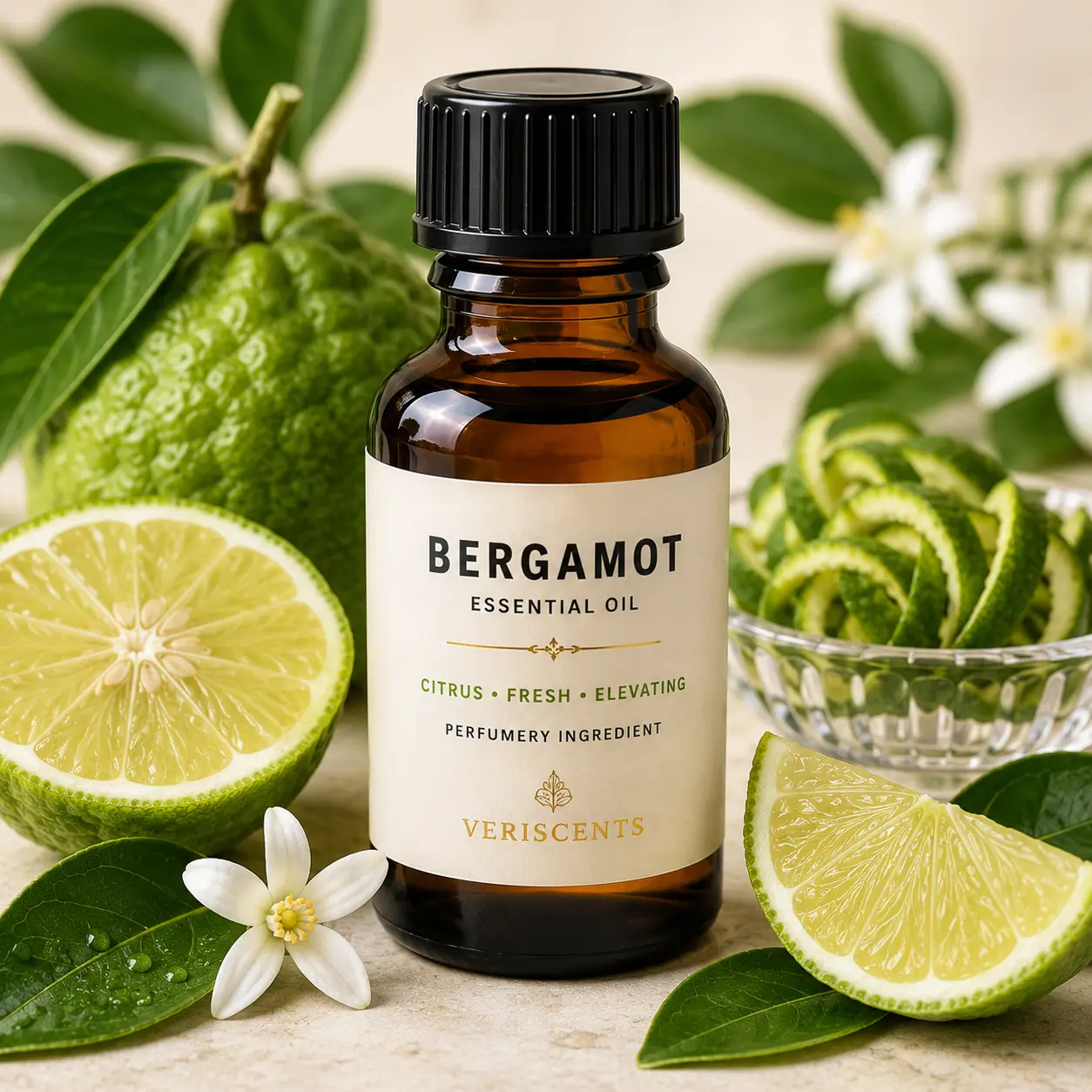 CAS 8007-75-8
Fresh sparkling bergamot peel, floral-tea nuance; FCF grade minimizes phototoxic furocoumarins
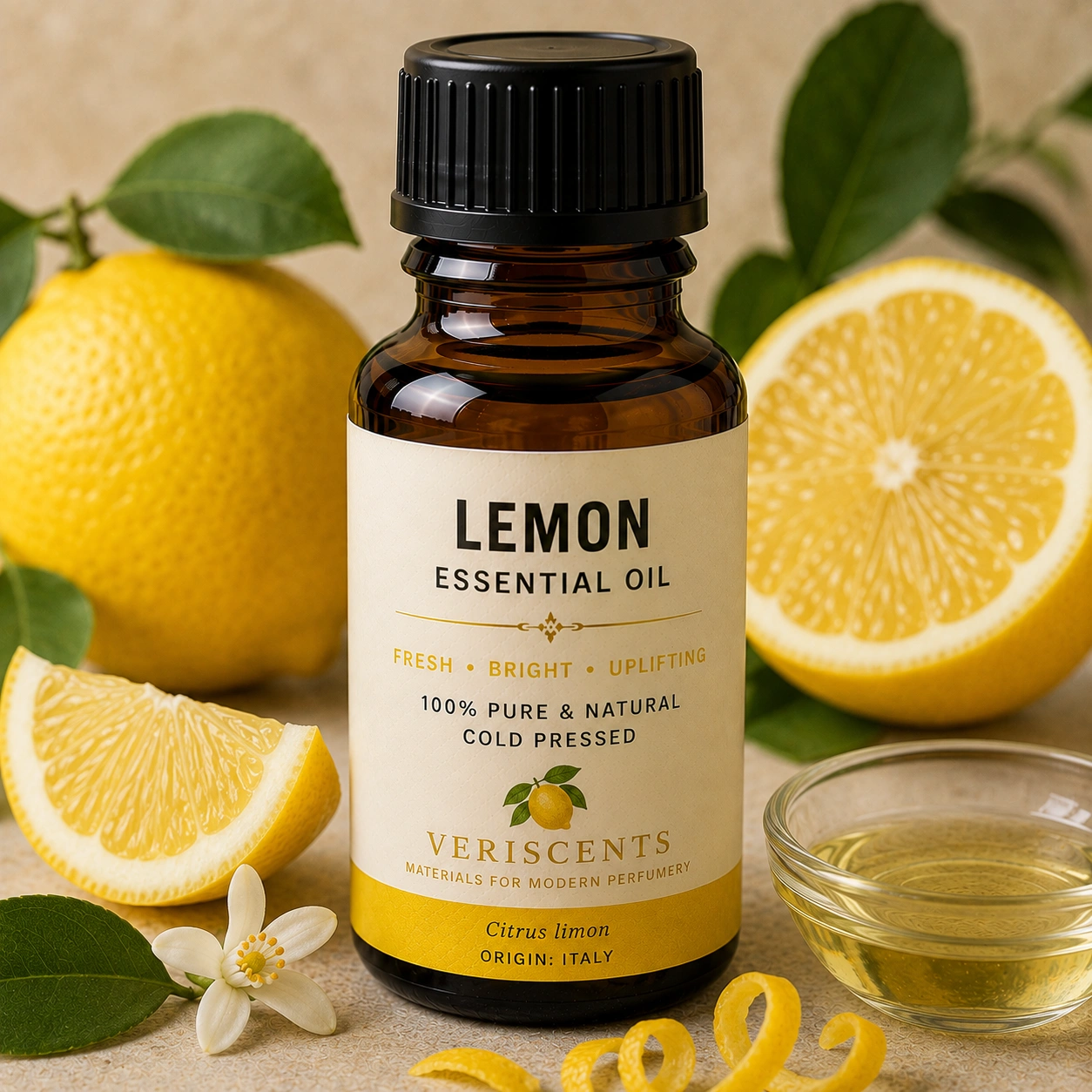 CAS 8008-56-8
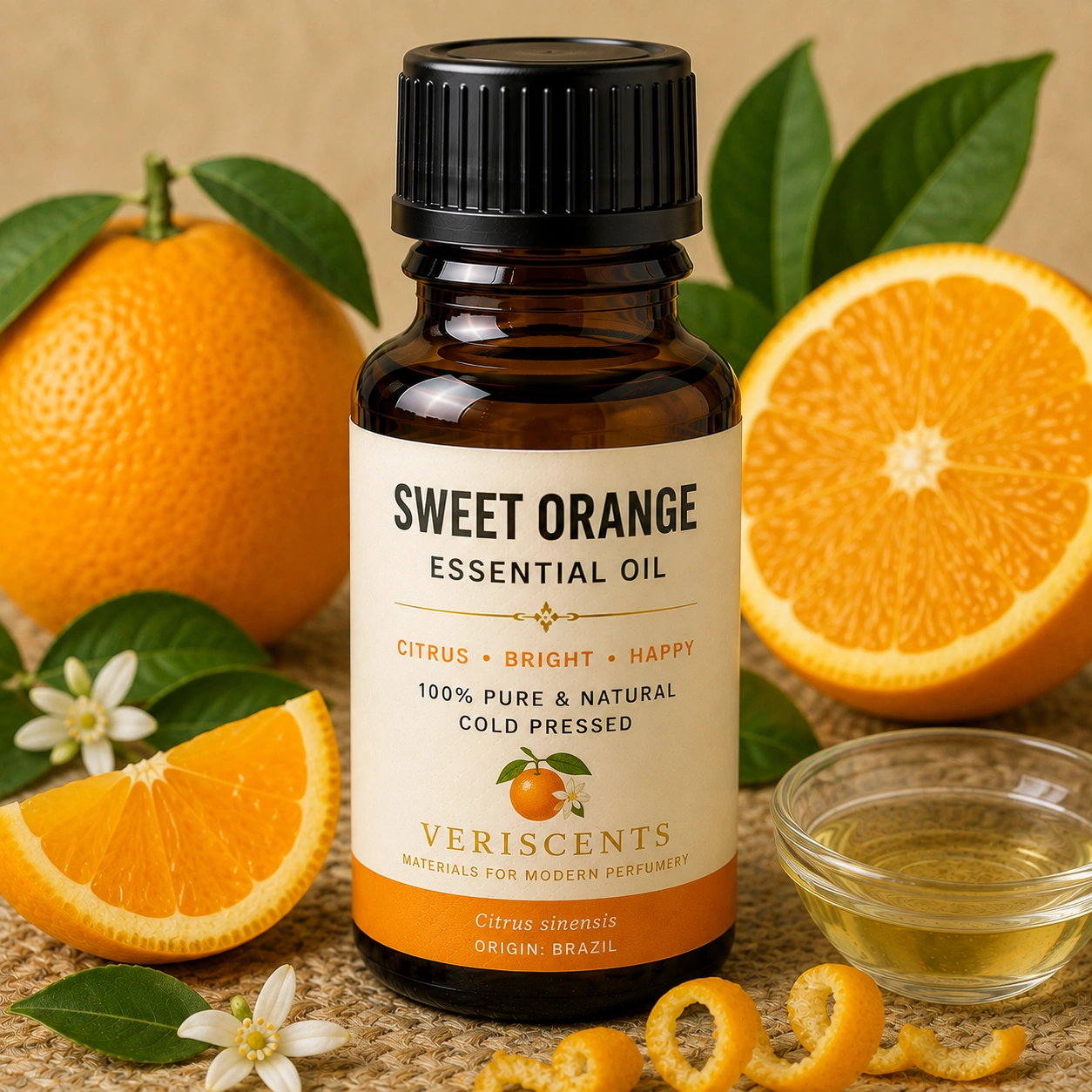 CAS 8008-57-9
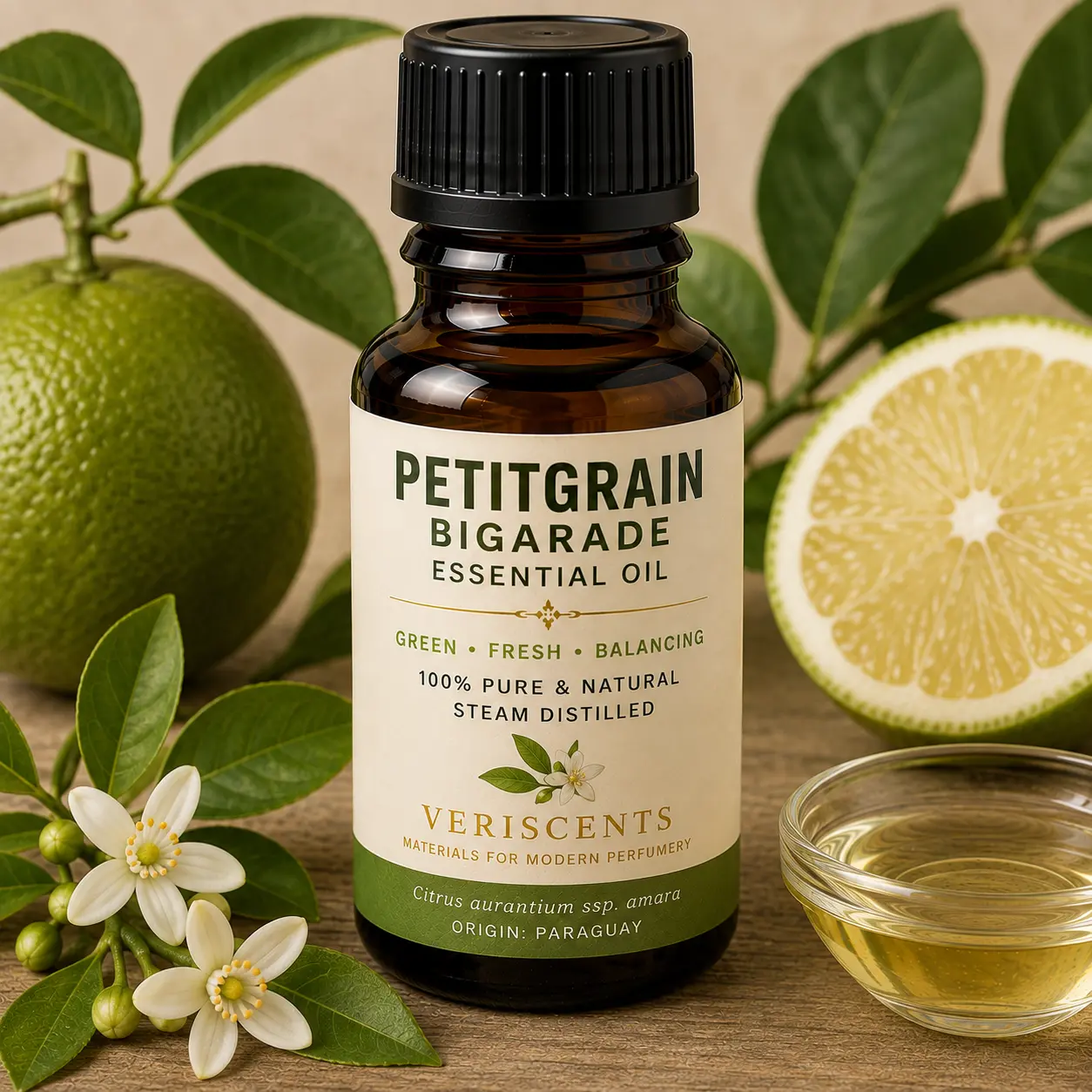 CAS 8014-17-3
Green bitter-orange leaf, twig, neroli-lavender nuance
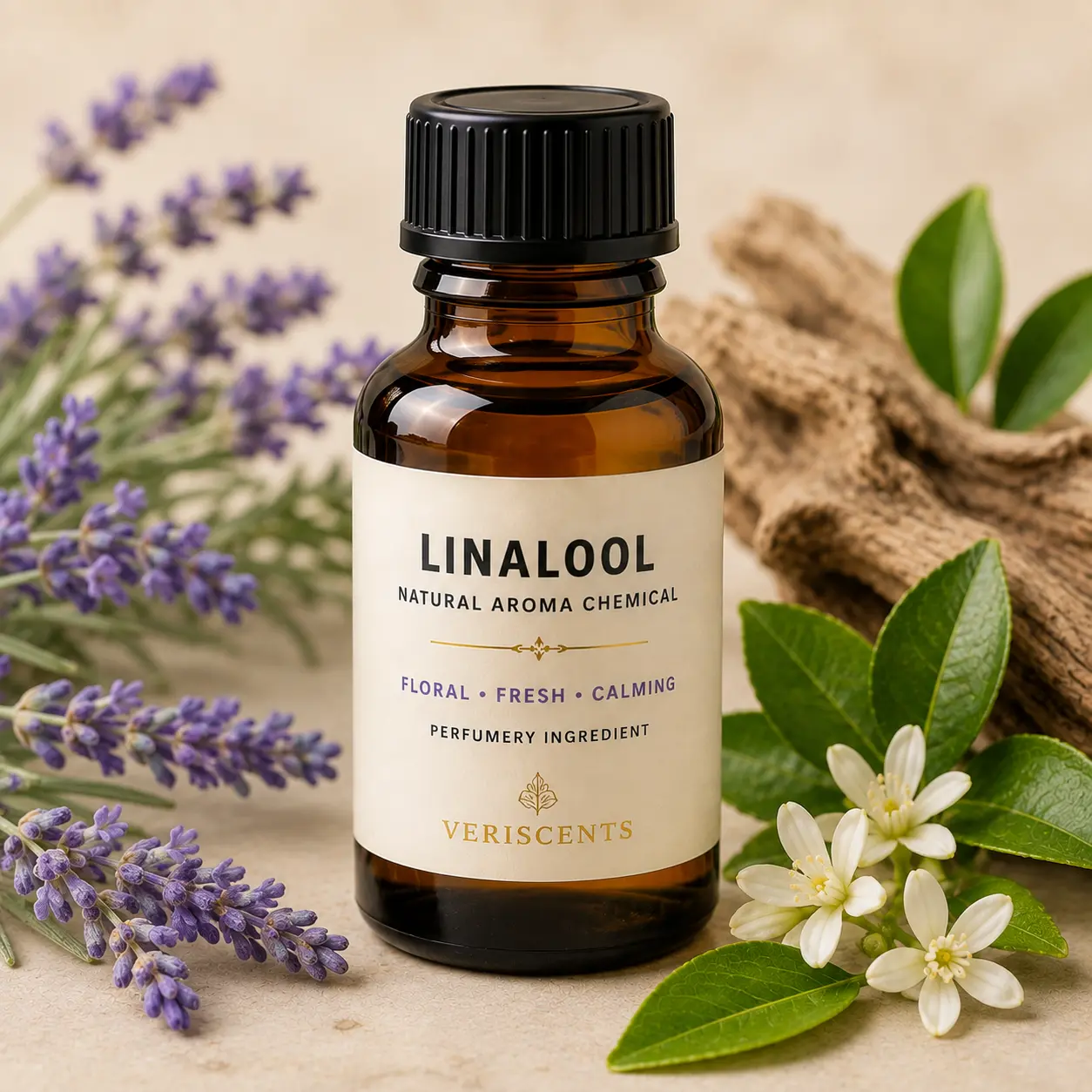 CAS 78-70-6
Fresh floral, citrus, lavender, slightly woody
 FLORAL
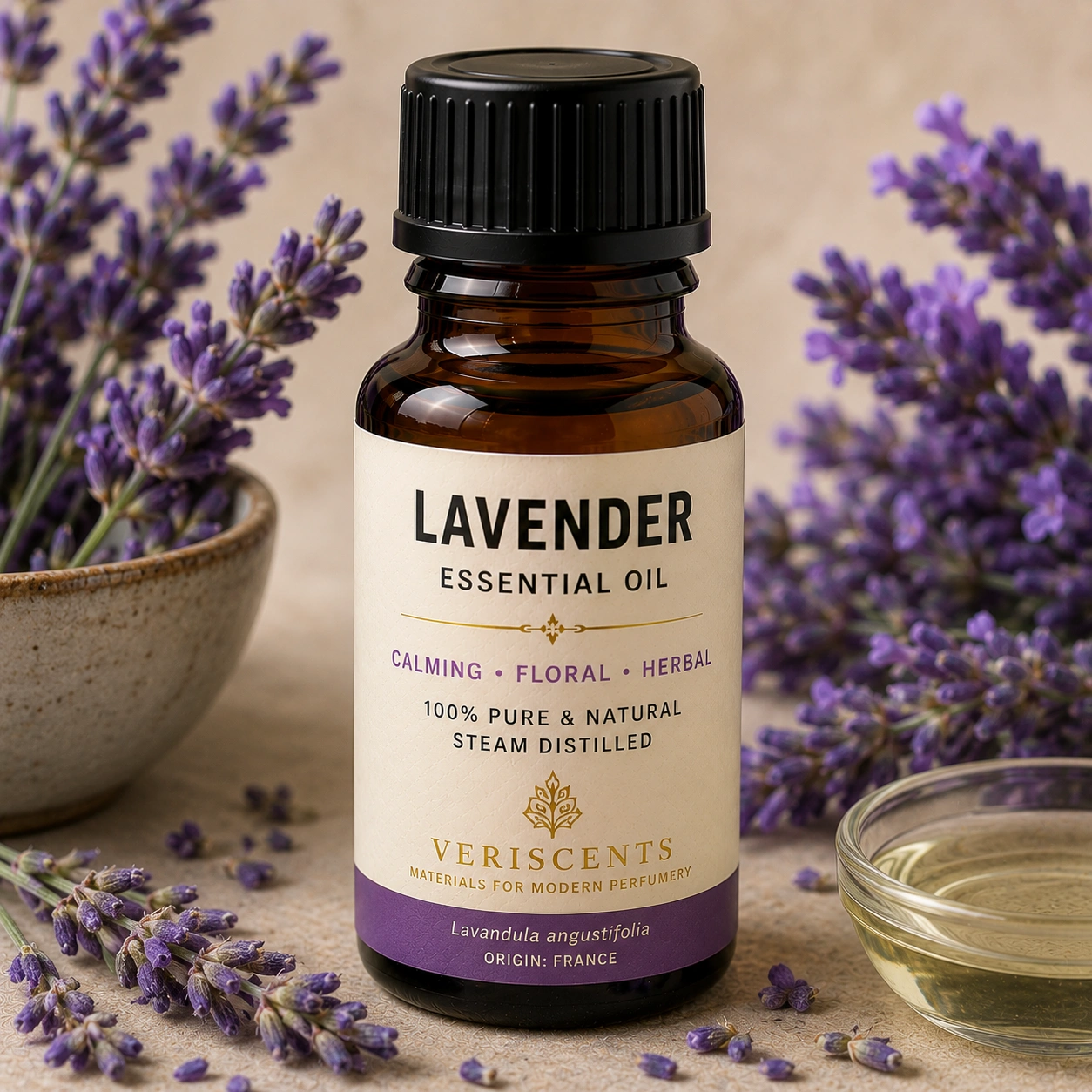 CAS 8000-28-0
Herbal floral lavender, fresh, camphoraceous-sweet
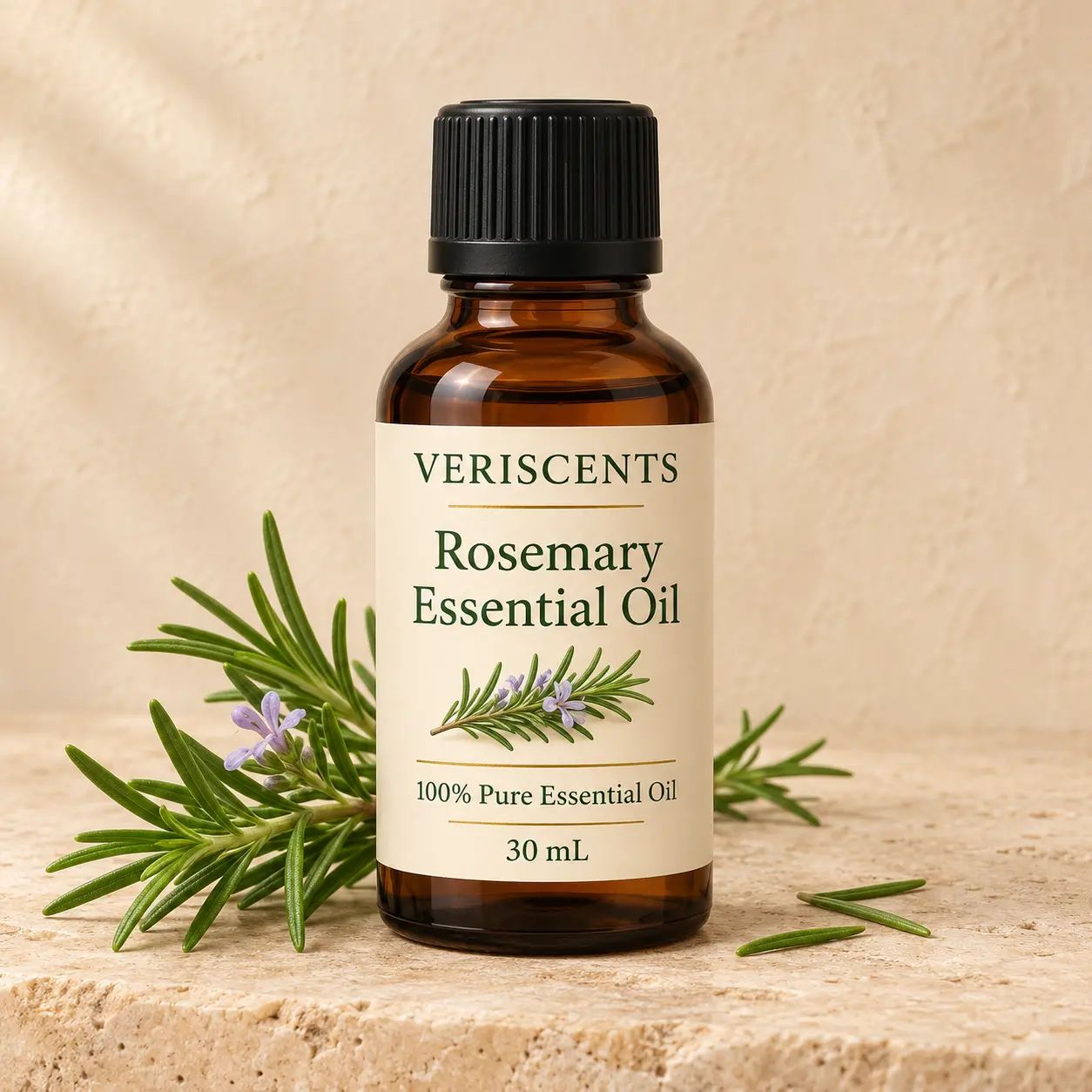 CAS 8000-25-7
Crisp camphor. Warm wood. Pure clarity.
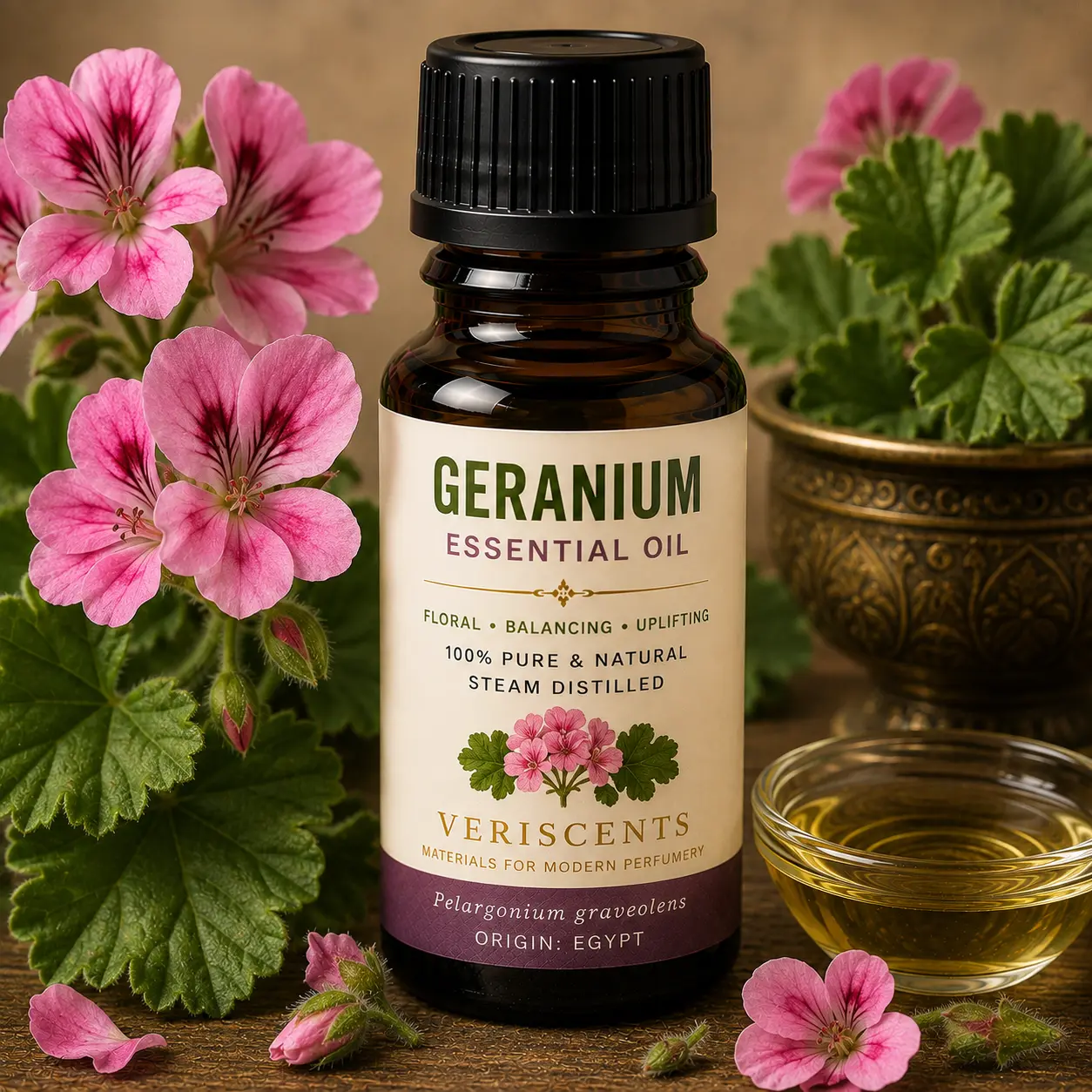 CAS 8000-46-2
Fresh, powerful rosy-floral with green leafy, minty-herbaceous and lemon-balm citrus facets, and a light fruity, slightly peppery nuance.
 CITRUS
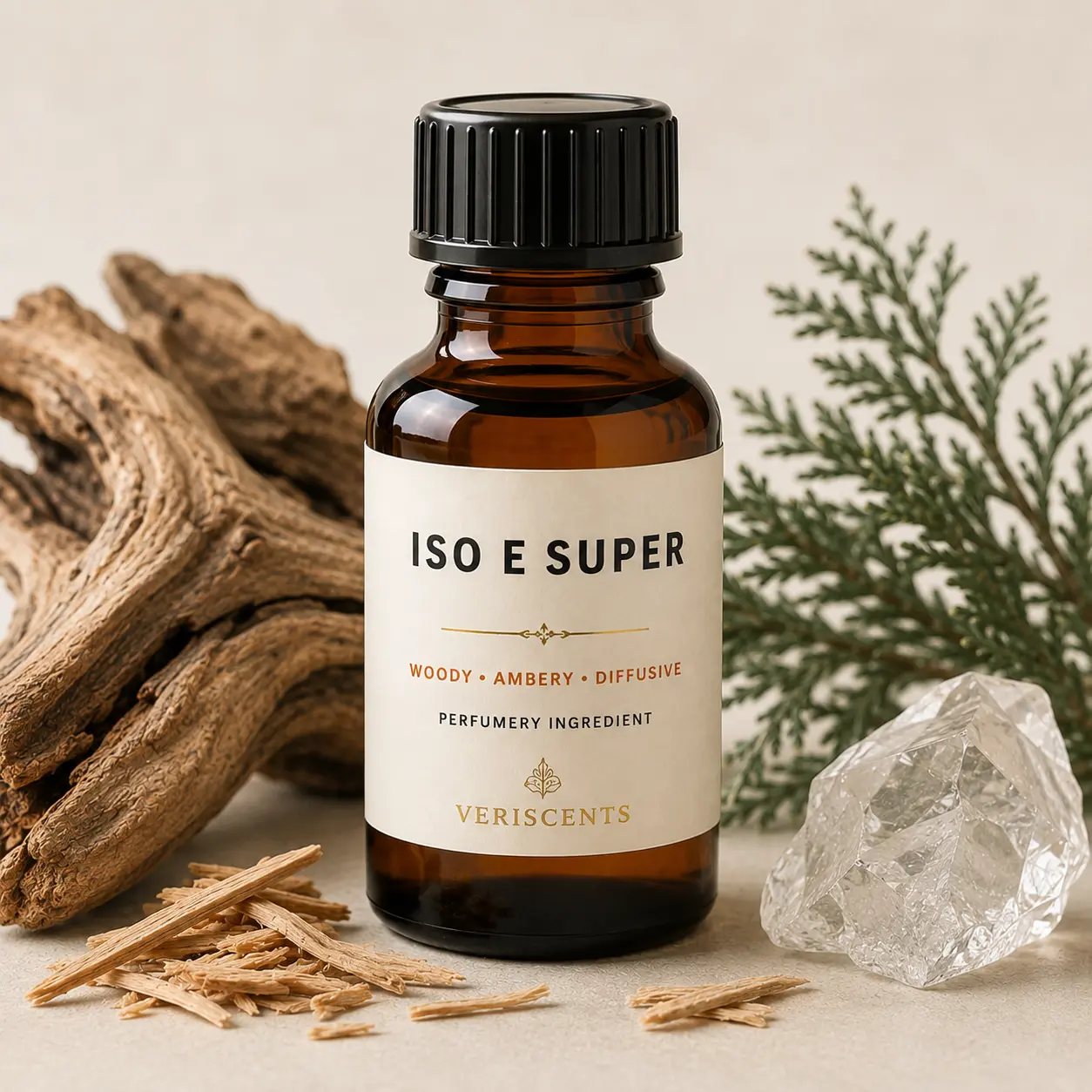 CAS 54464-57-2
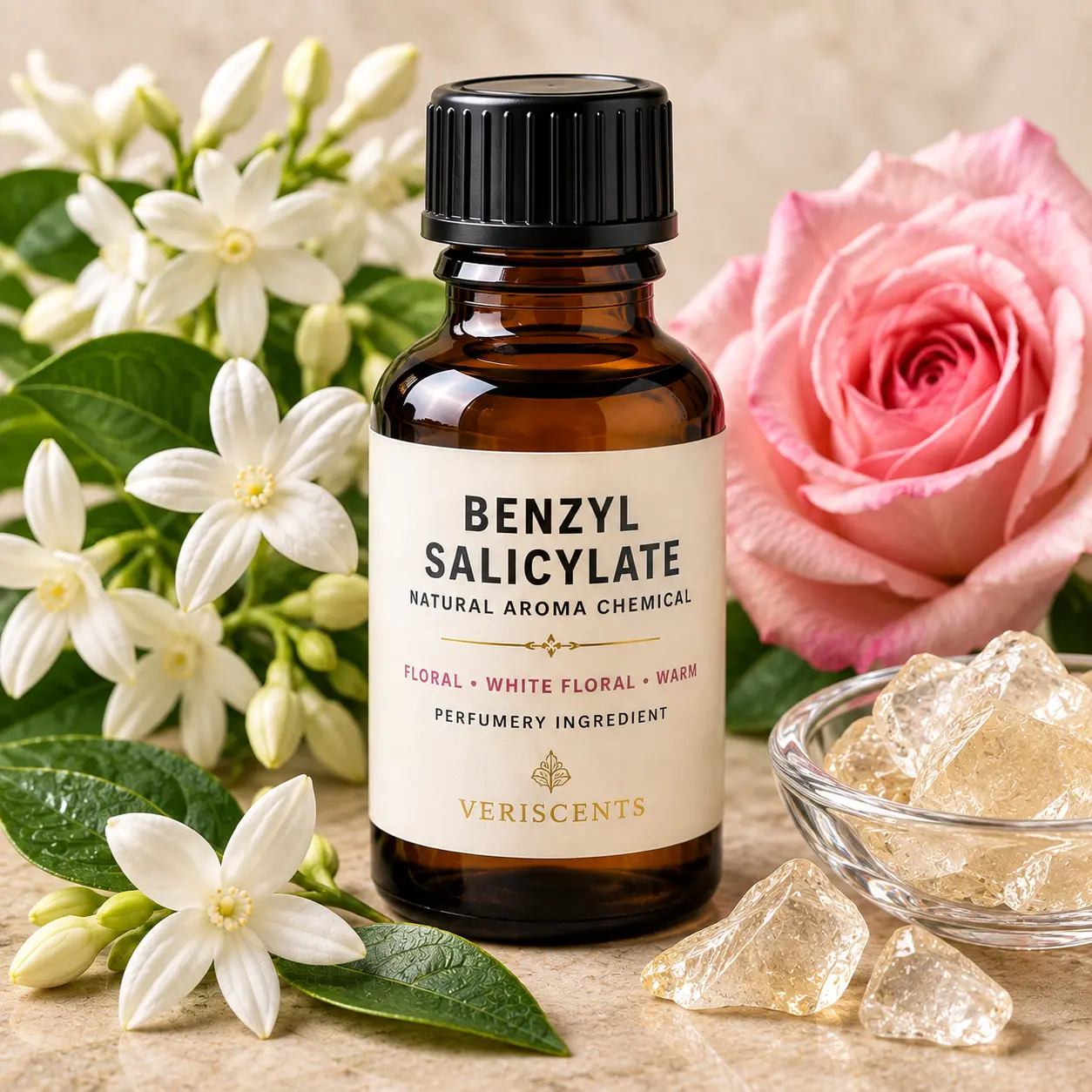 CAS 118-58-1
Mild sweet floral, solar, balsamic; excellent blender and fixative
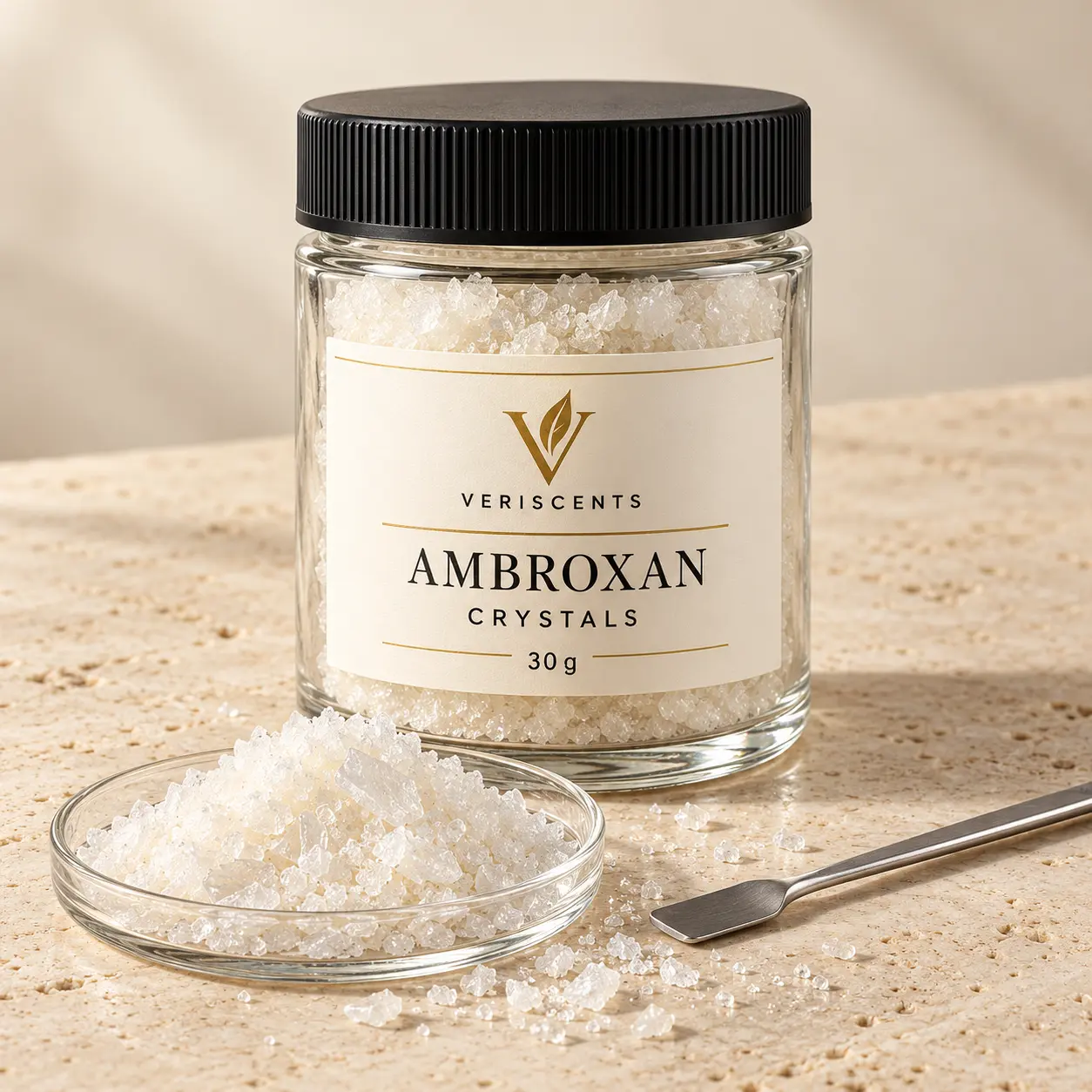 CAS 6790-58-5
Dry mineral ambergris, warm woody, slightly salty and musky
About This Formula
Composed by Veriscents as a teaching skeleton. It follows the classical structure of its family as described in the perfumery literature; it is not a reconstruction of any commercial fragrance.
Evaluation Use
Published for study and bench evaluation. Before wearing or selling anything built from it, check every restricted material against the current IFRA Amendment for your product category and against the allergen labelling rules of your market. Citrus oils are phototoxic in leave-on products; the bergamot line is the one to check first.